37 home gardens
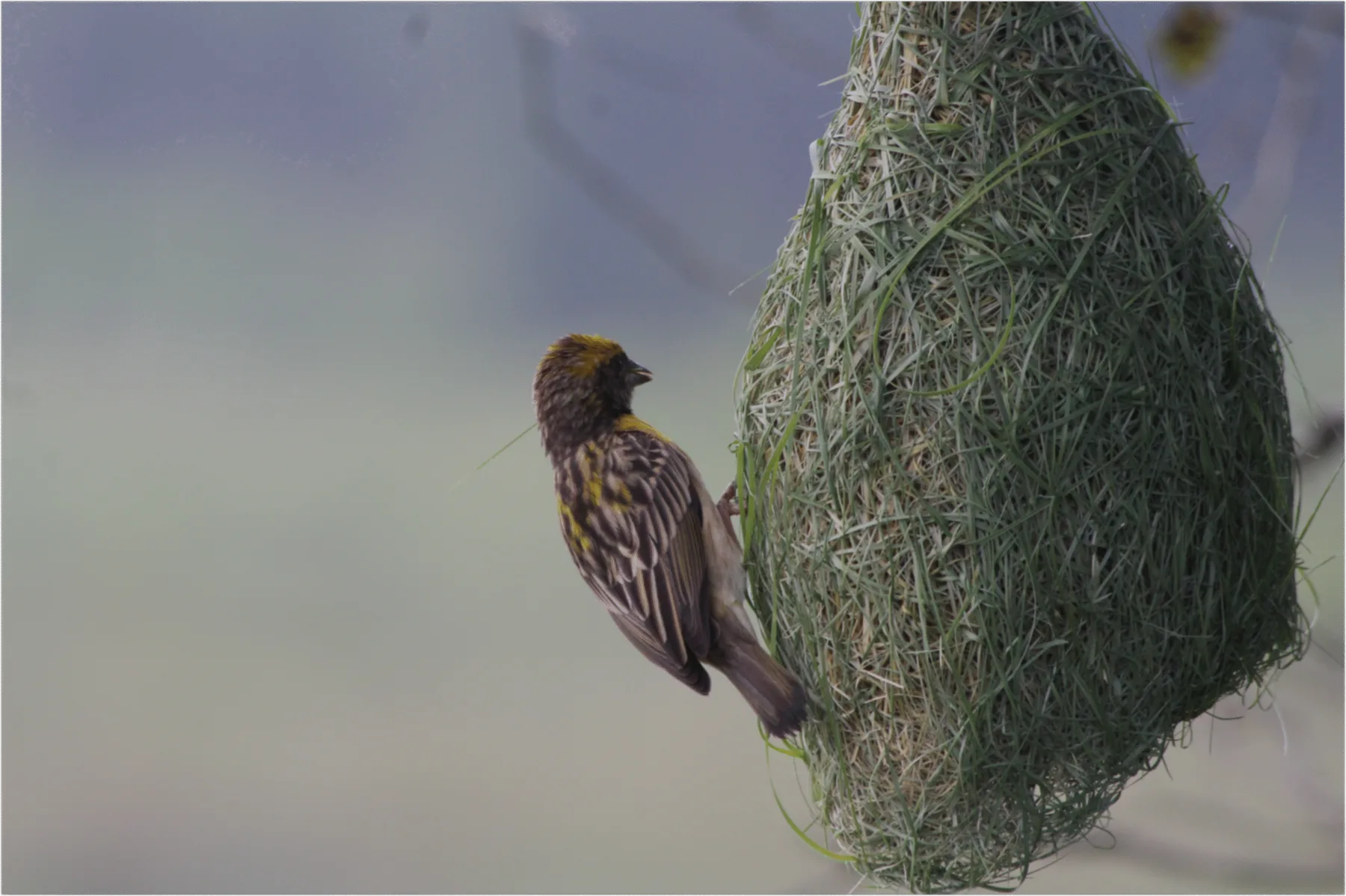
Bird nest surveys
Pusallayaya Village
Documenting changes in breeding activity as the long dry season gave way to the approaching Northeast Monsoon.
Volunteer Programme · Wasgamuwa, Sri Lanka
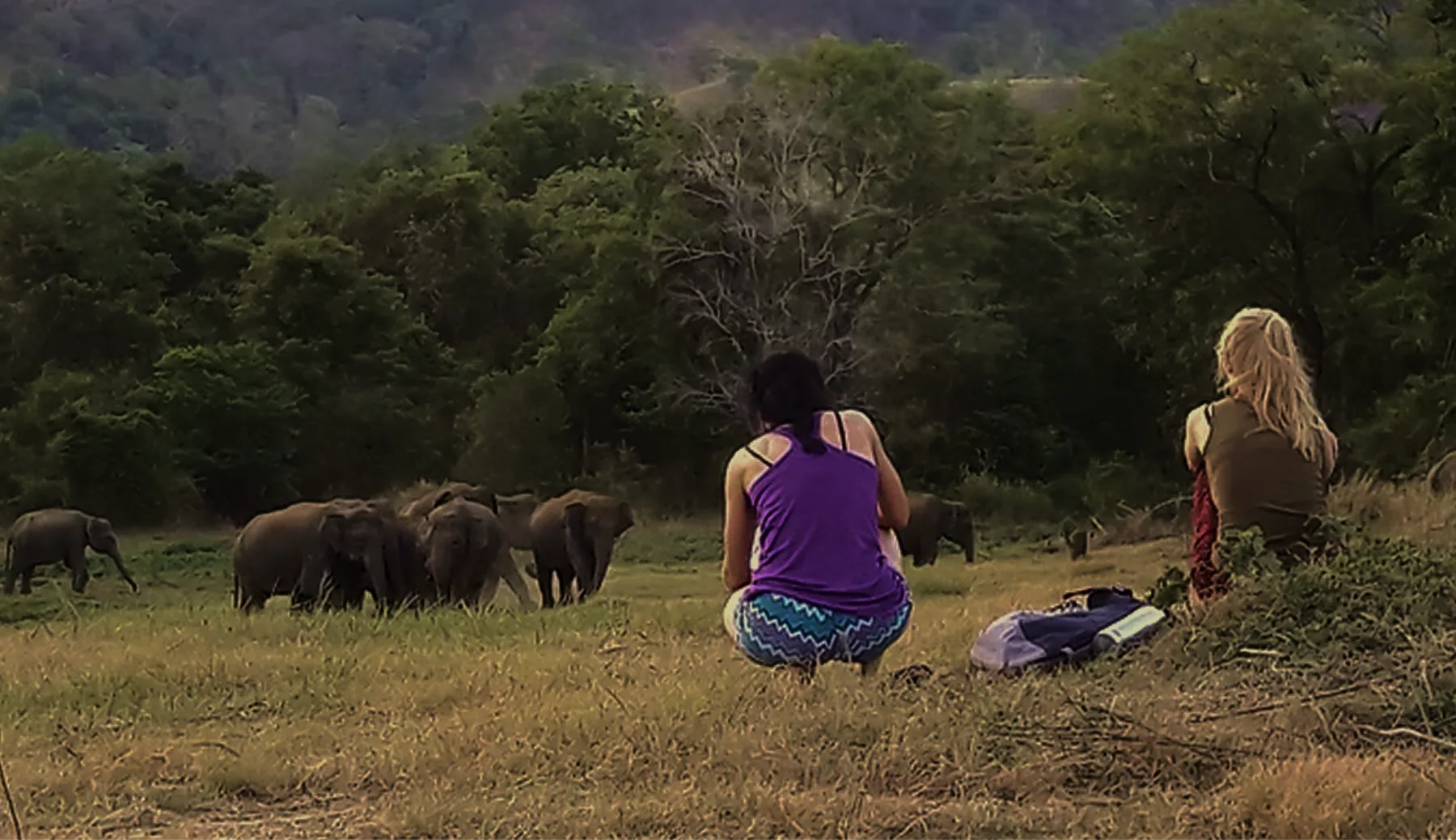
Track elephants, survey birds and butterflies, and share meals with village families. Volunteering with SLWCS is real fieldwork alongside the people who live with Sri Lanka’s wild elephants.
Notes from the field · October 2026
From tracking elephants and monitoring butterflies to sharing meals with village families, volunteering with SLWCS is about much more than observing wildlife—it is about understanding the landscapes, people and conservation challenges that shape life alongside Sri Lanka’s wild elephants.
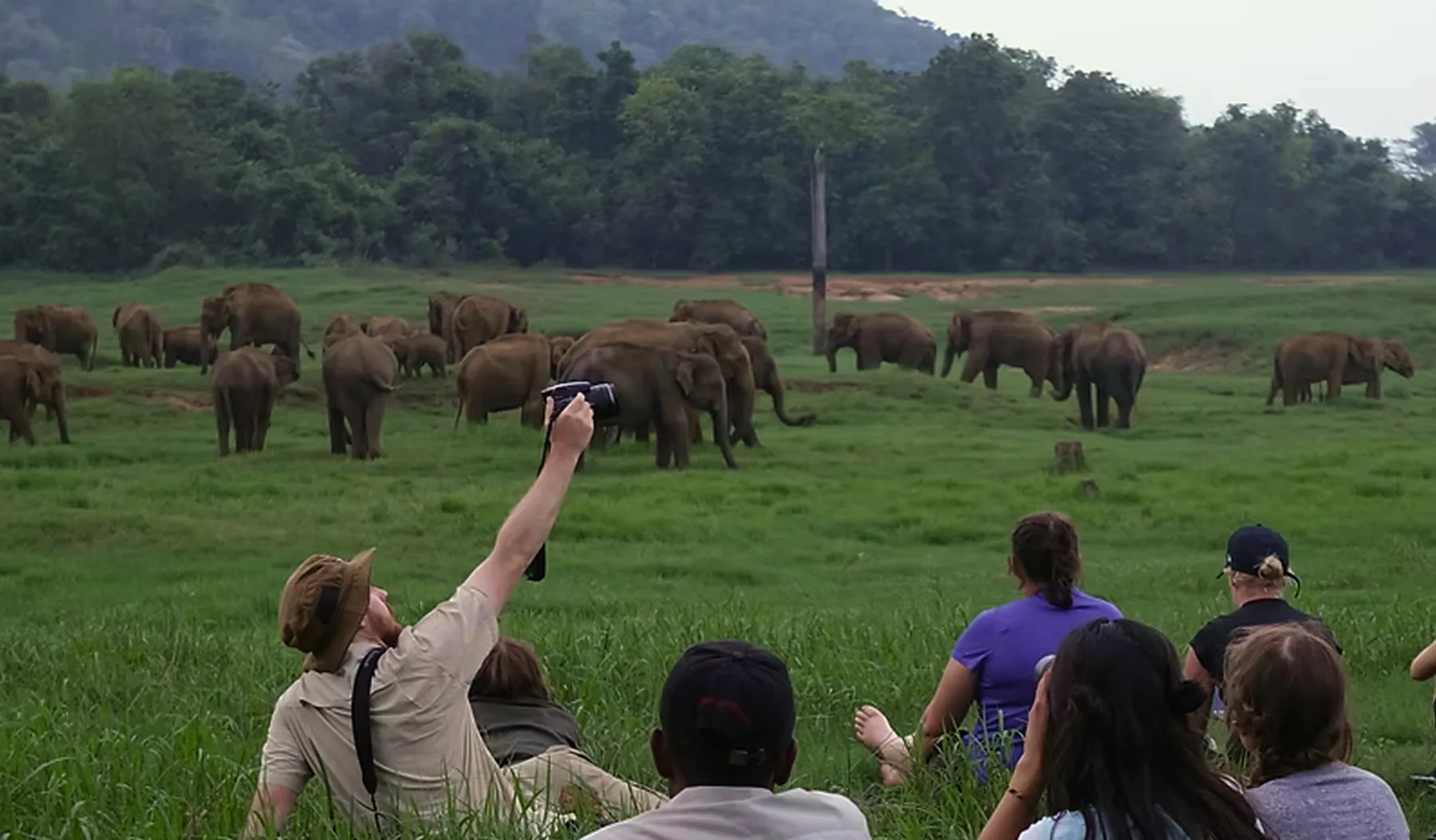
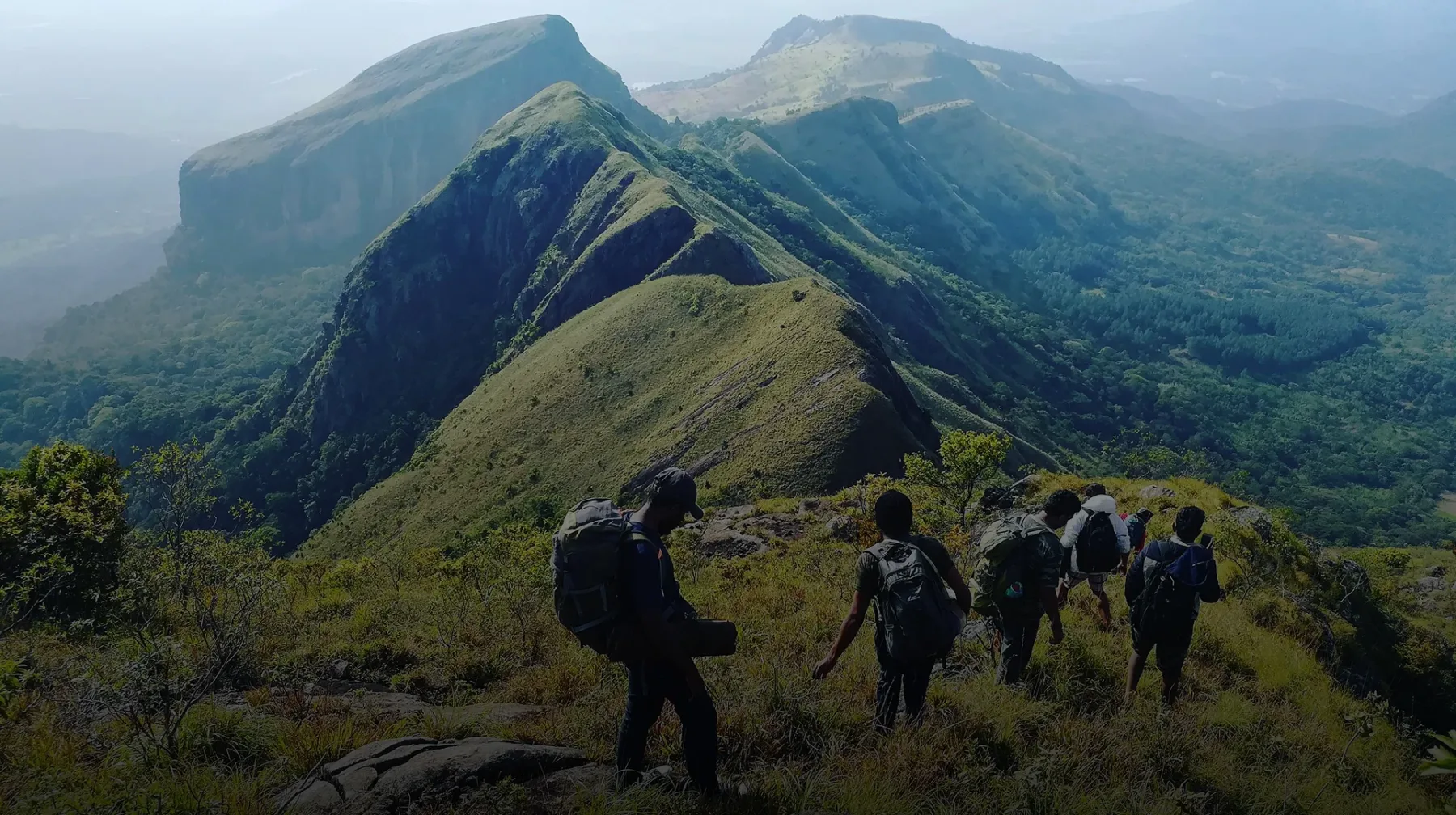
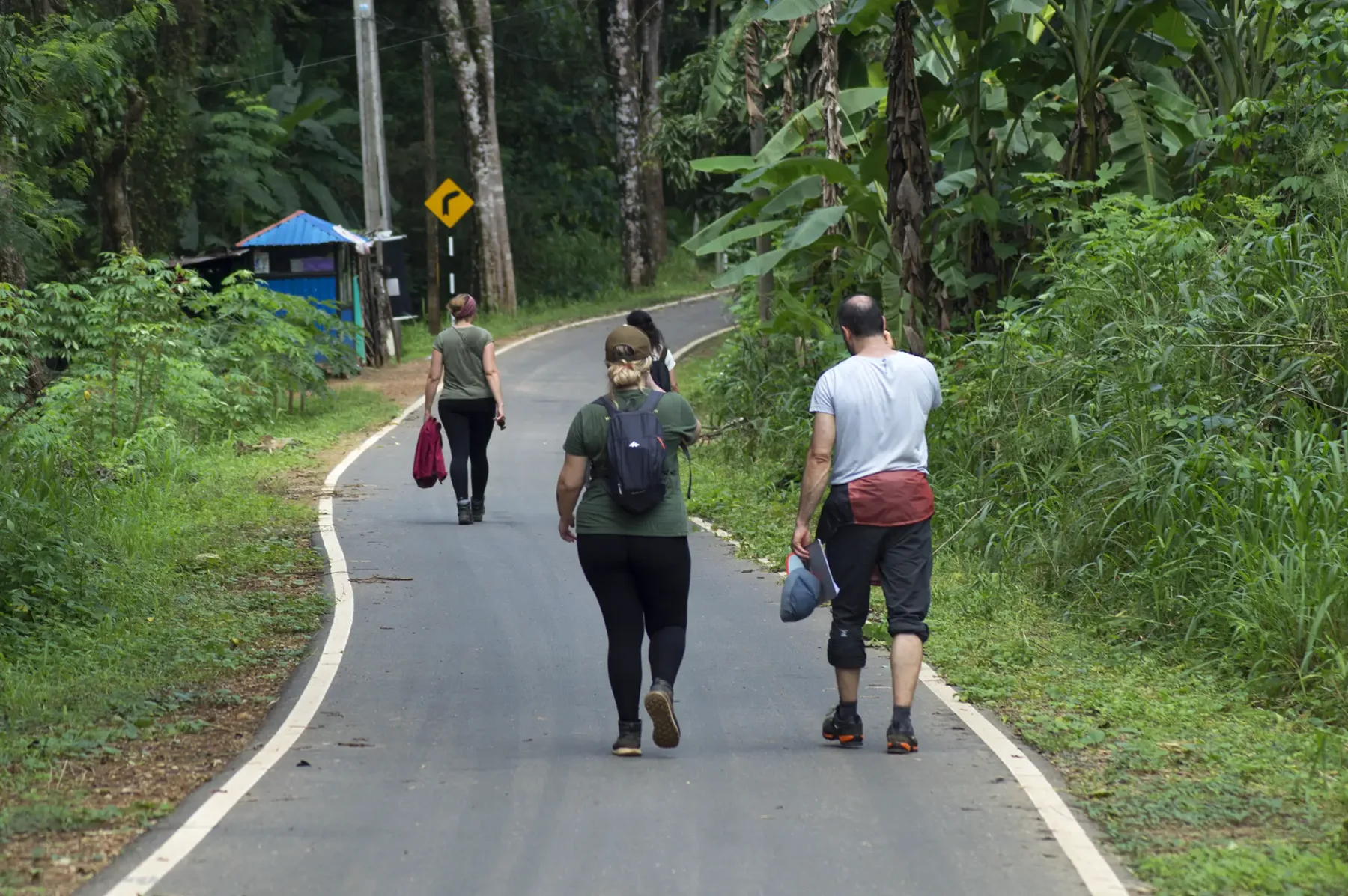
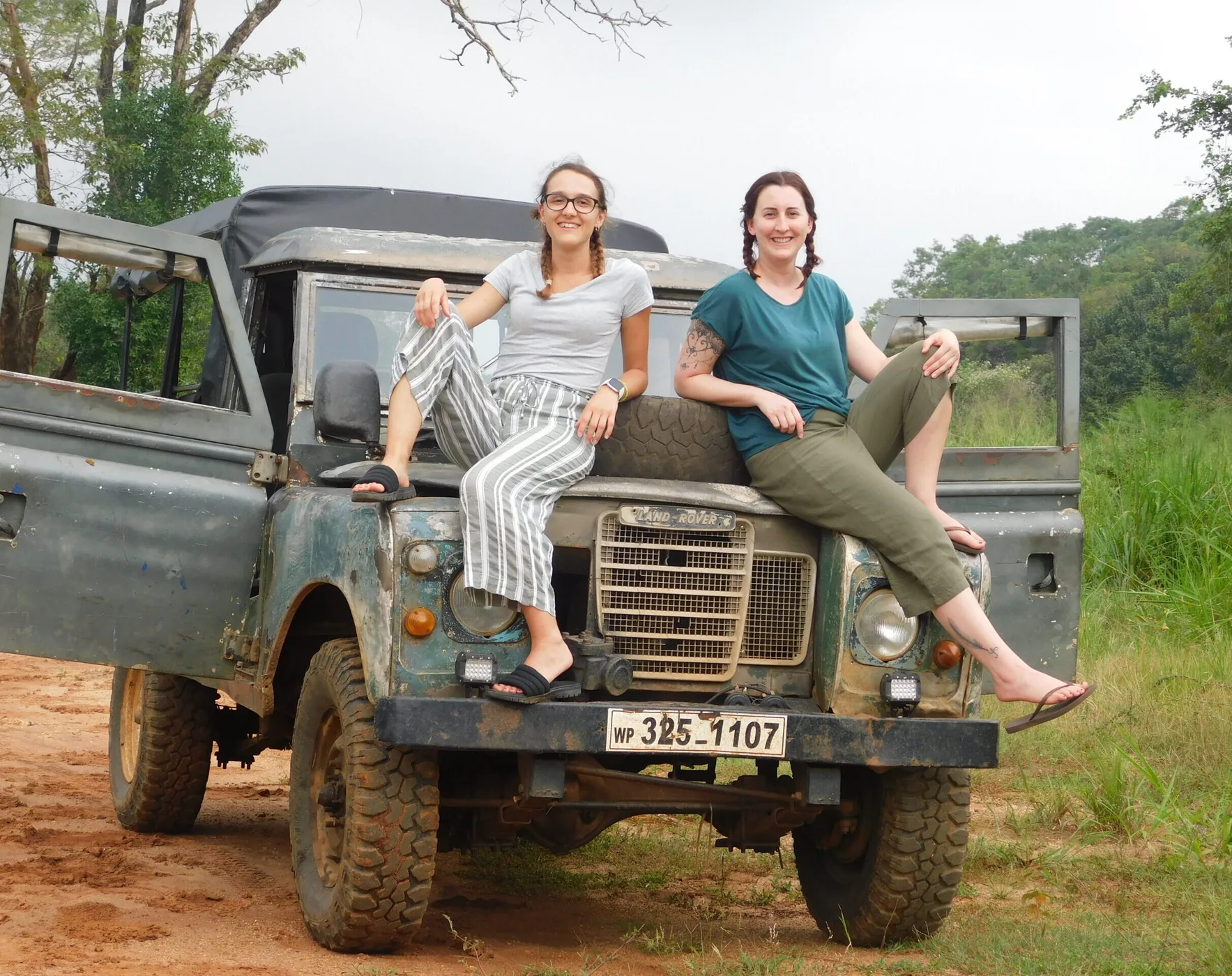
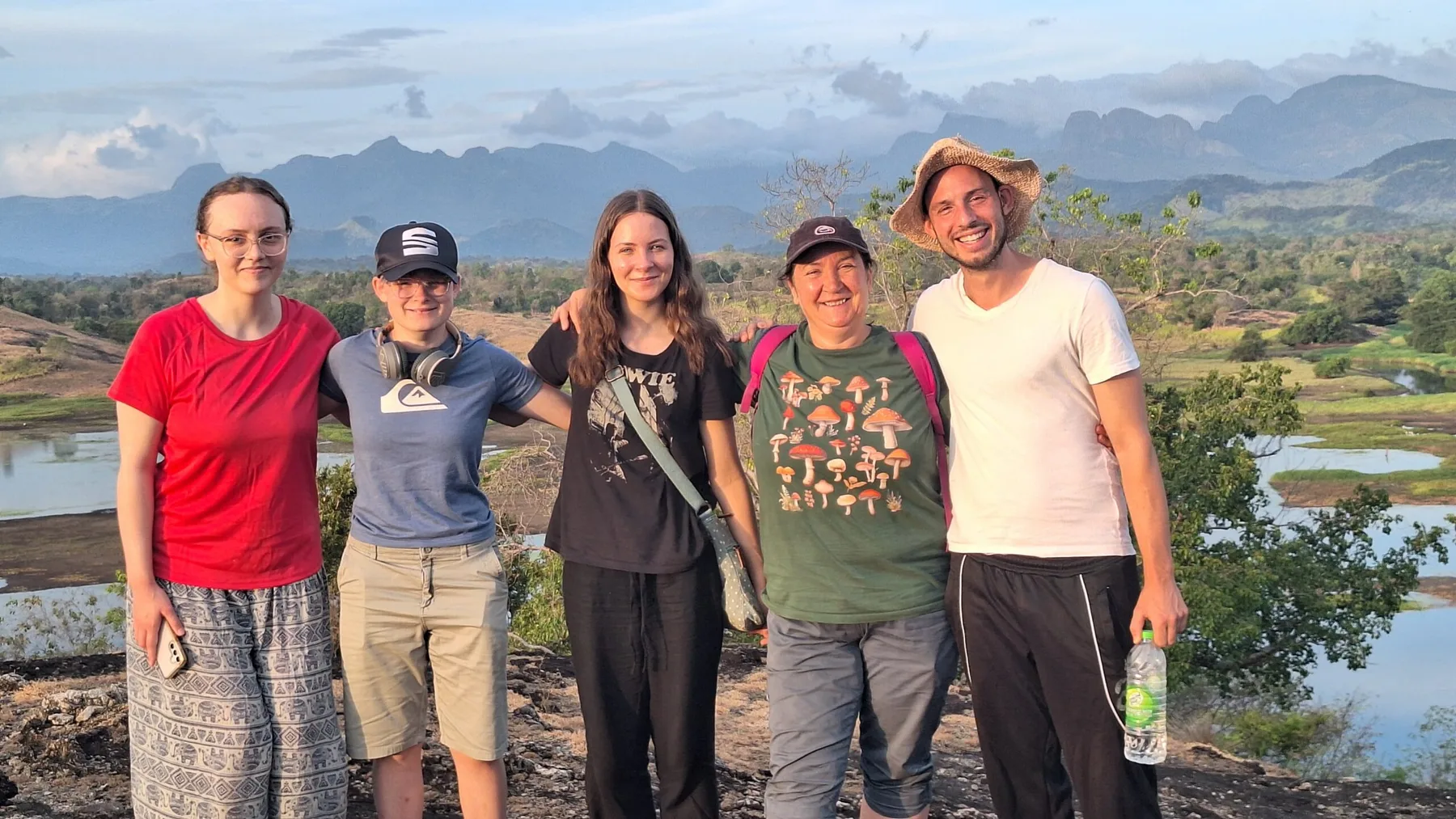
Over the past several months, volunteers—including entire families—from around the world have joined us in Wasgamuwa, becoming part of our ongoing field research and community-based conservation work. Their days have taken them from village home gardens and elephant corridors to the foothills of the Knuckles Mountain Range.
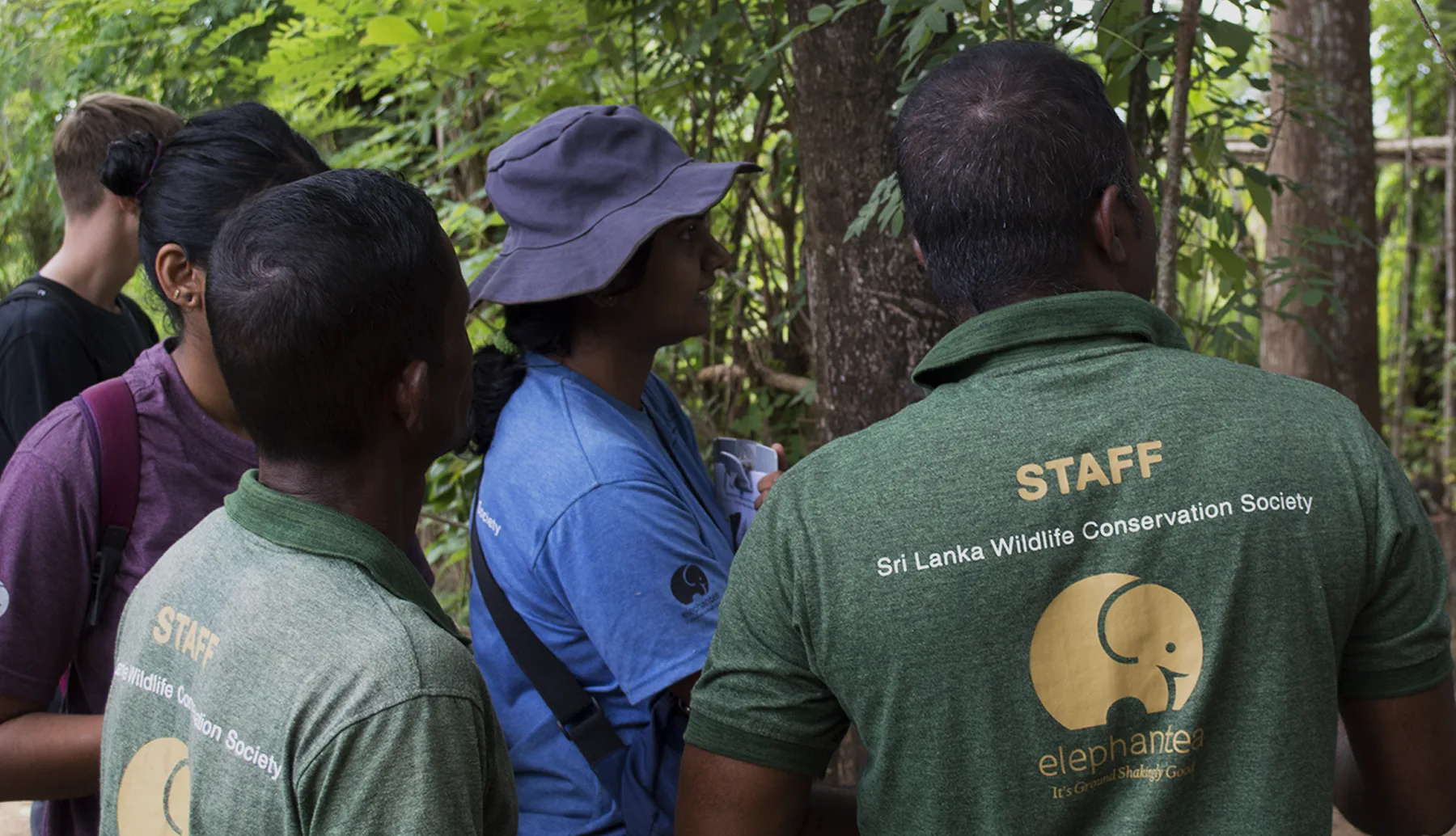
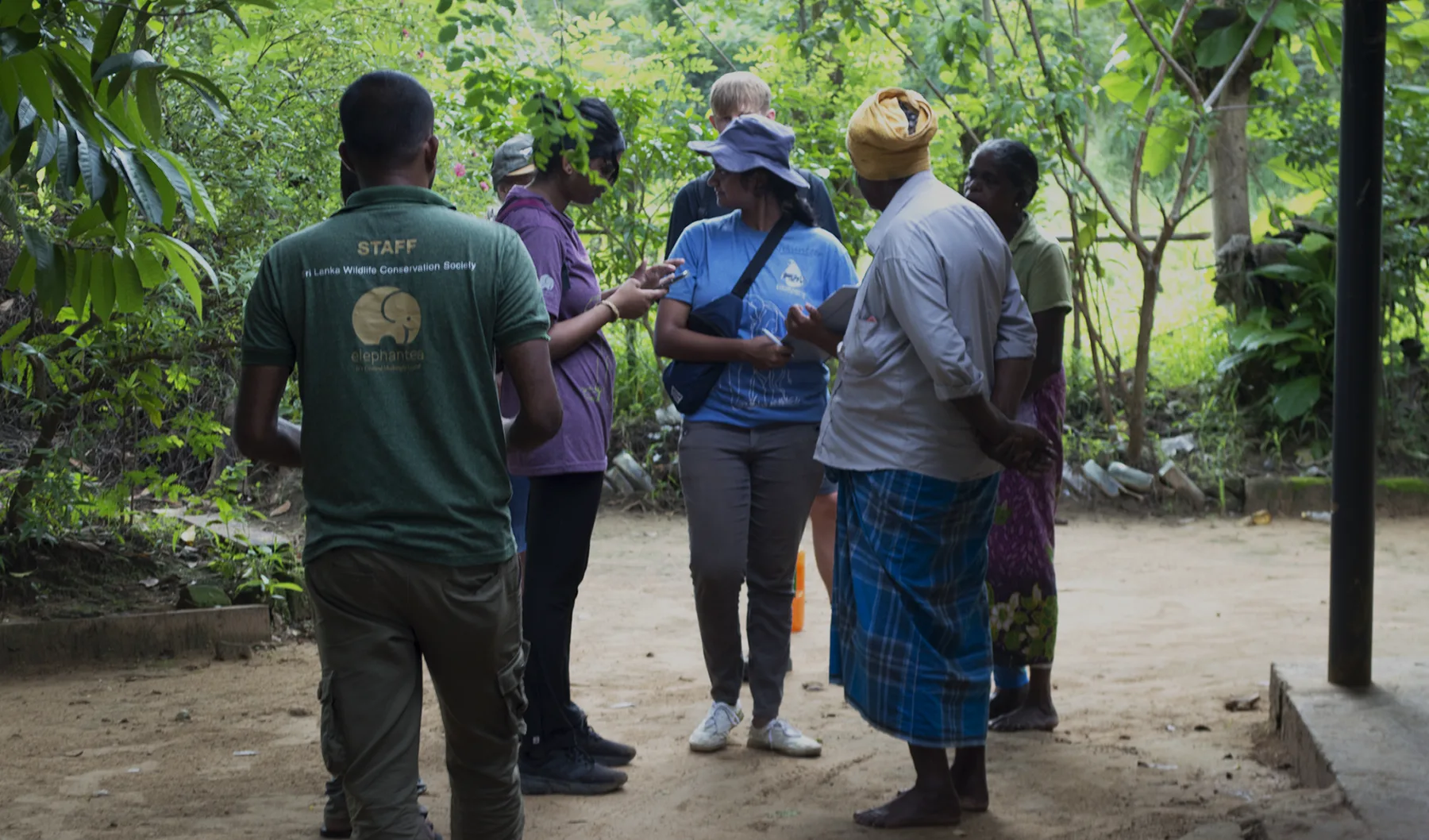
They have helped monitor wildlife, collected field data, visited farming communities, observed human–elephant interactions and—perhaps most importantly—learned directly from the people who share their landscape with elephants.
The latest monitoring period
Some days bring unforgettable encounters with elephants. Other days involve walking transects, checking fences, entering data, or patiently searching for birds and butterflies that may—or may not—appear.
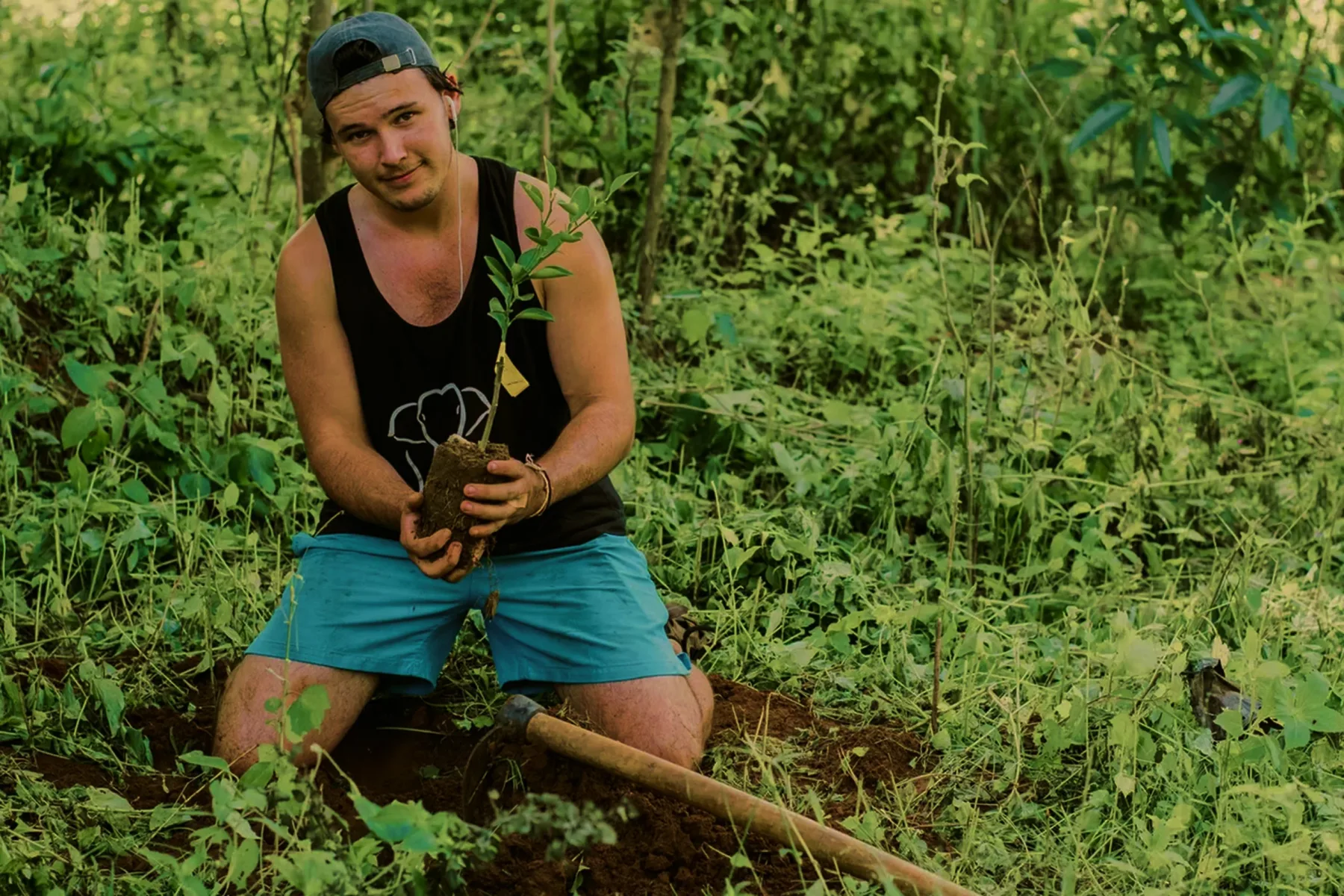
37 home gardens
Pusallayaya Village
Documenting changes in breeding activity as the long dry season gave way to the approaching Northeast Monsoon.
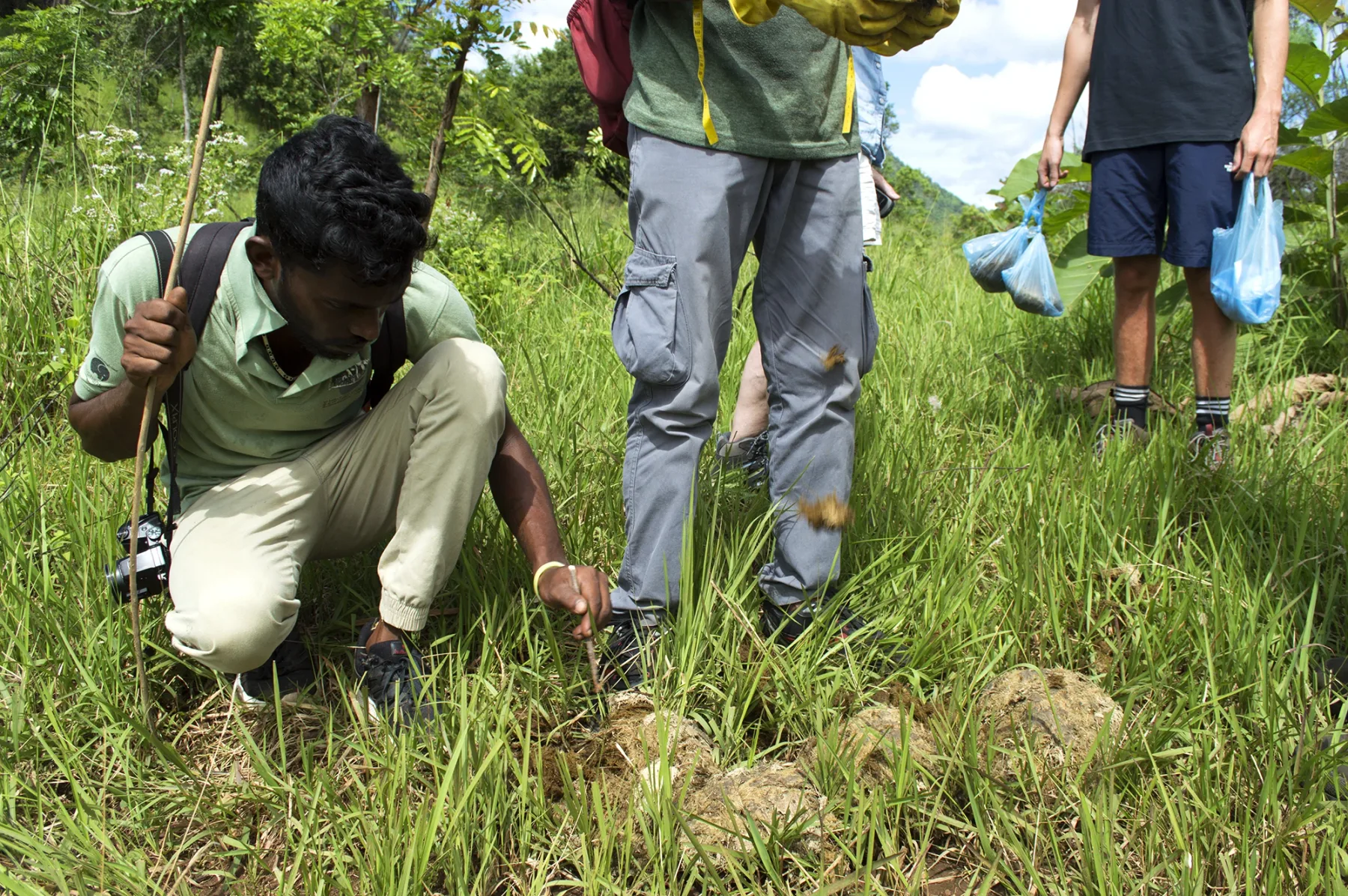
29 households
Himbiliyakada
Households supporting resident House Sparrow populations and active nests—and villagers concerned that numbers may have declined.
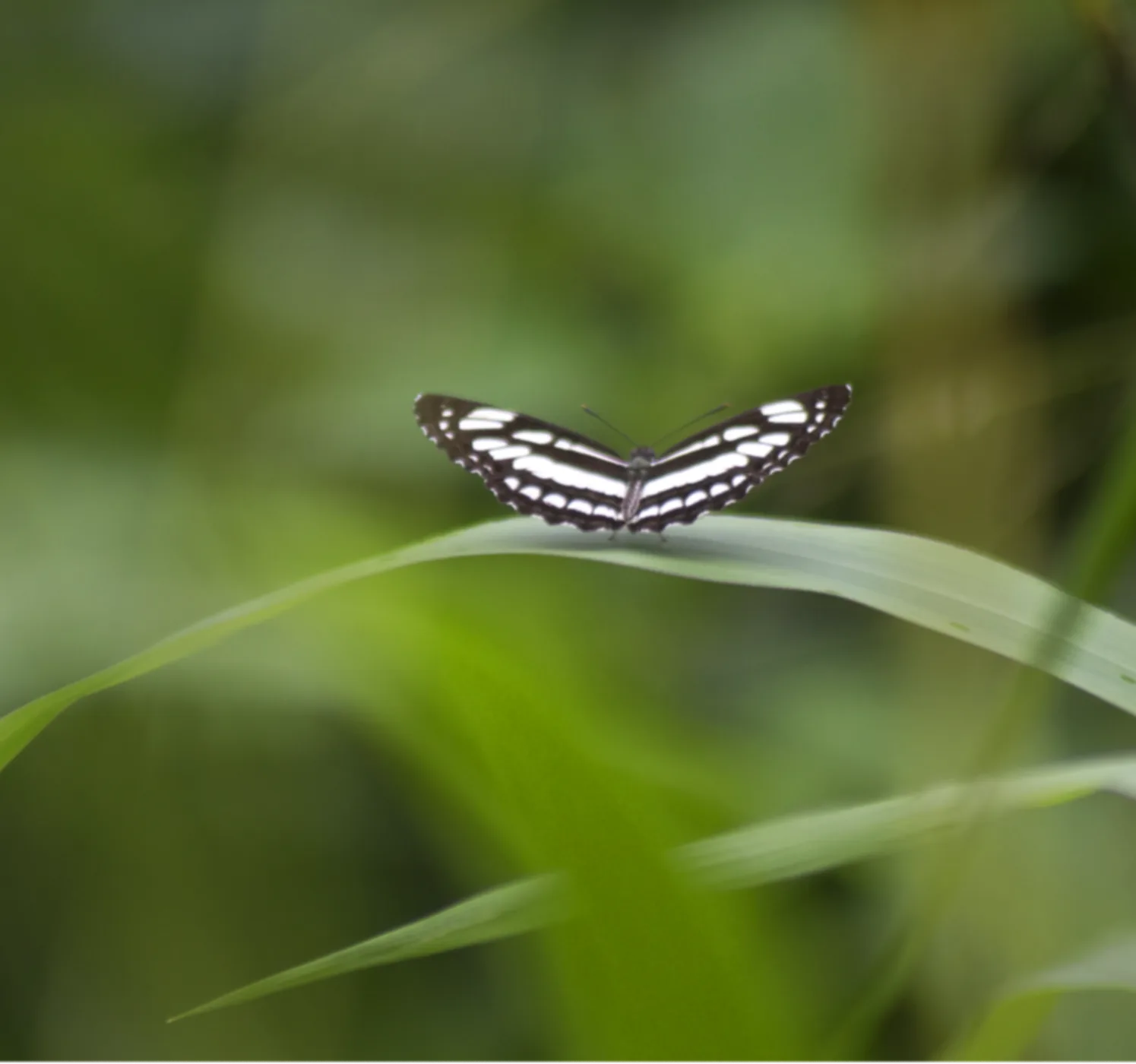
13 species
Narangamuwa, Knuckles foothills
Eight surveys in unusually dry conditions—a lesson in why abundance and distribution shift with the environment.
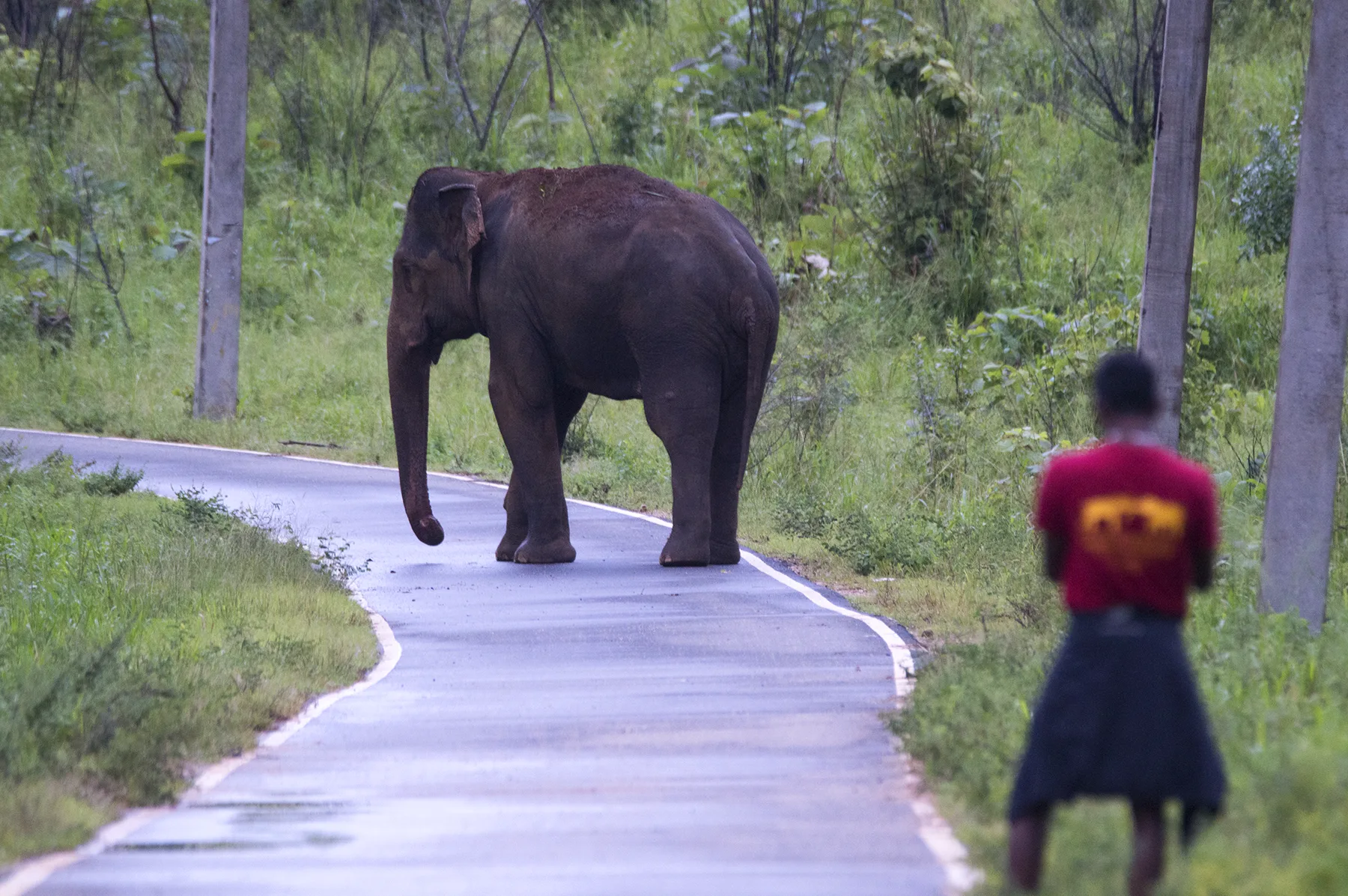
3 villages
Weheragala · Himbiliyakada · Iriyagasulpotha
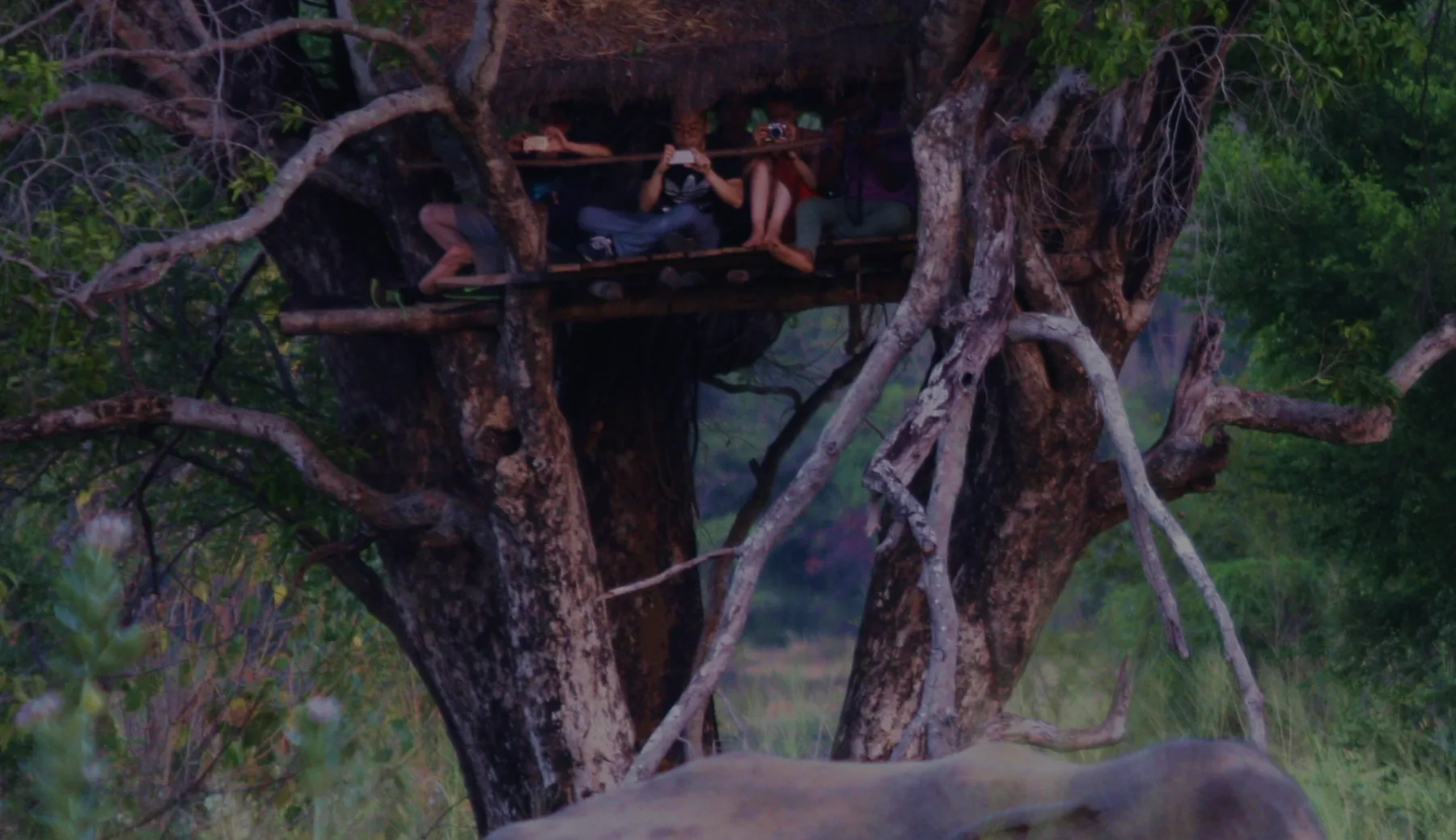
Checking village elephant fences, alongside elephant monitoring in and around Wasgamuwa National Park and its corridor.
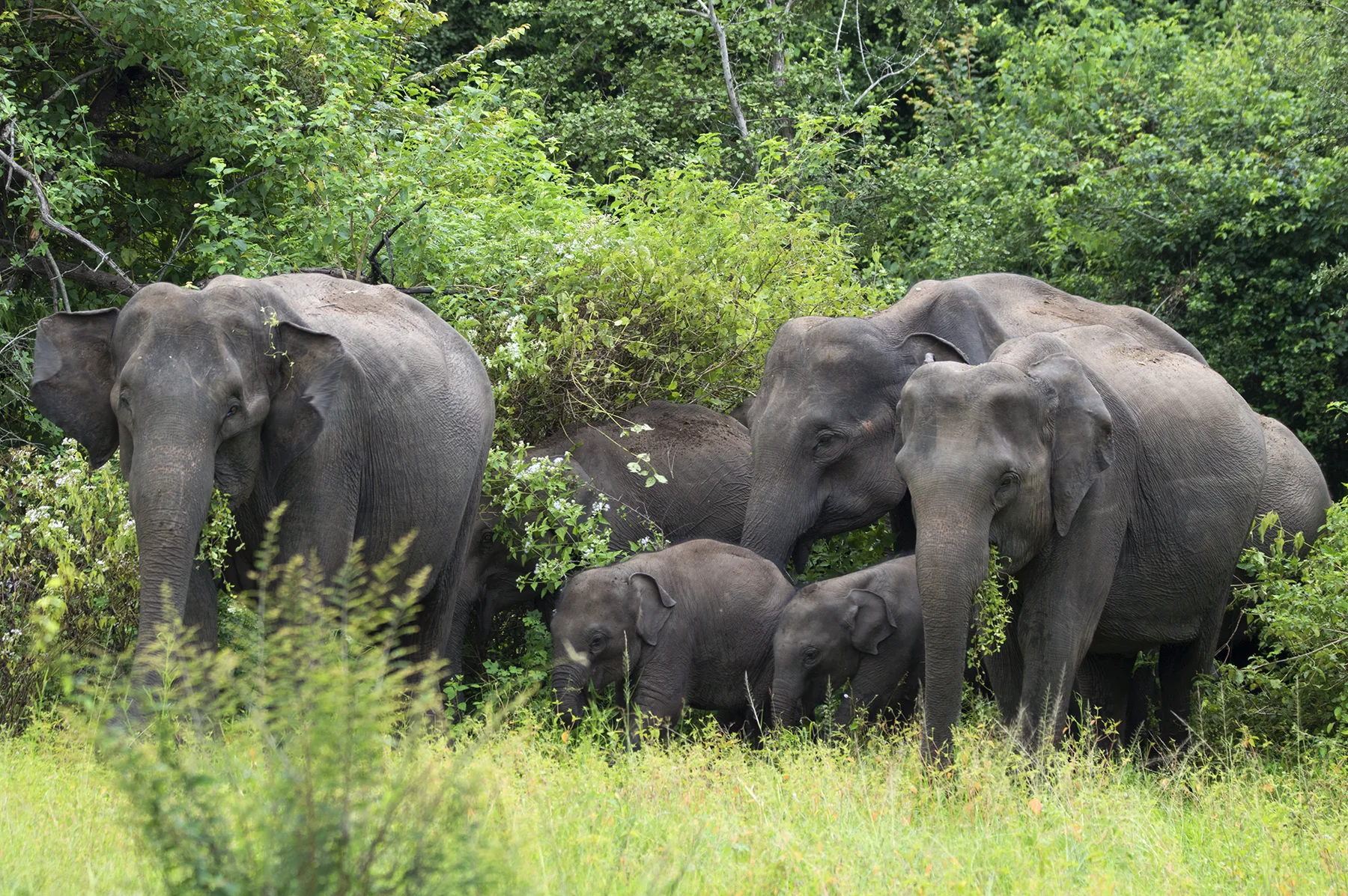 ◉ Wasgamuwa National Park & corridor
Following elephants
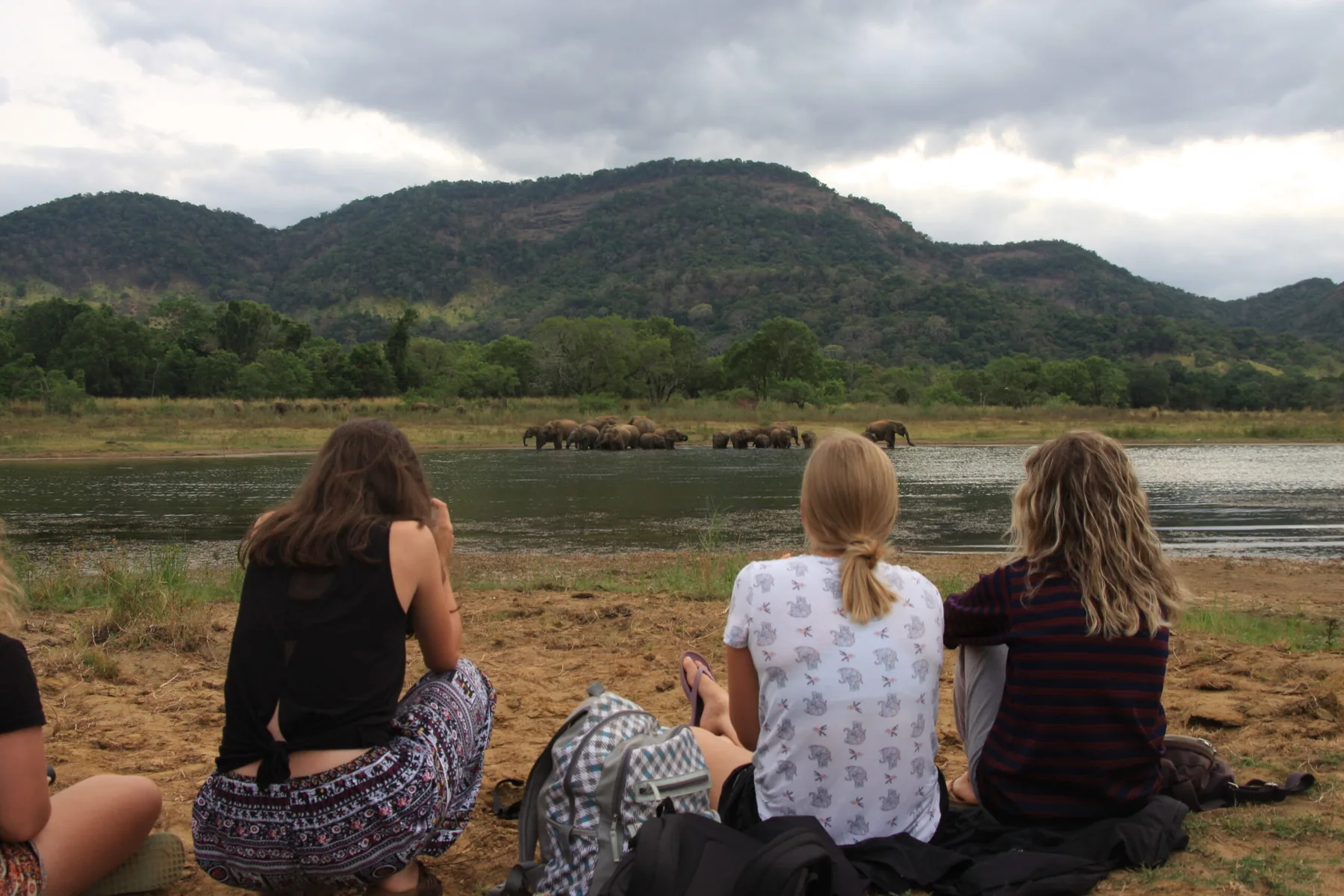
Elephants remain at the heart of our work. This season, prolonged dry conditions, fire damage and reduced forage affected where elephants moved—and the presence of cattle may also have influenced their activity within the corridor.
Volunteers see something no textbook can teach: wildlife conservation is dynamic.
A week in the field may include
Wildlife movements, weather, seasons and community needs decide what happens each day.
Volunteer voices
“I am very grateful for the experience and wish SLWCS all the best.”
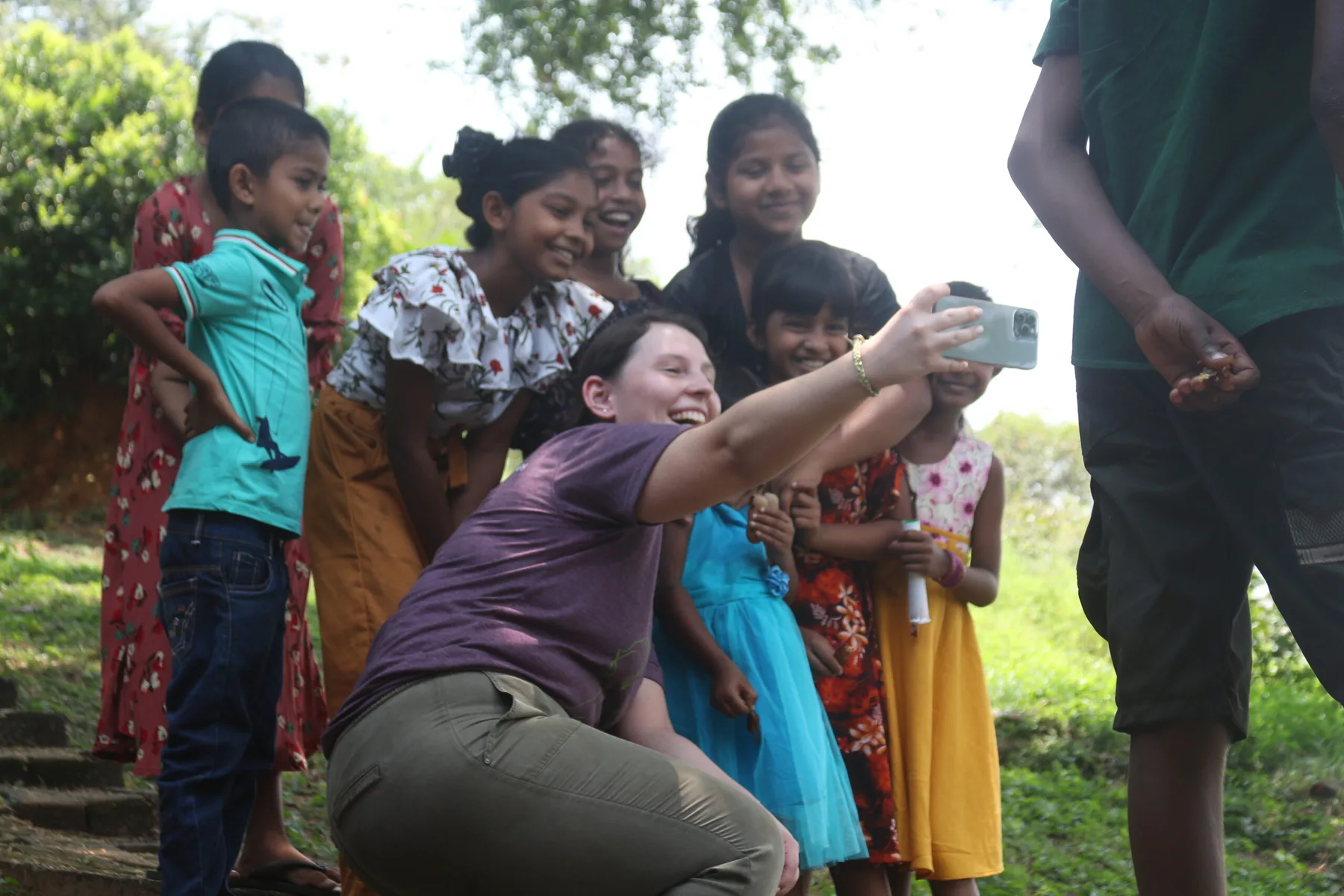
Tara loved seeing elephants—but enjoyed just as much listening to SLWCS staff talk with villagers, and remembers a morning learning to cook coconut rotis with women she called “so lovely”.
A privilege to spend time with farmers and villagers and gain an insight into their lives.
They thanked the team for sharing their passion and knowledge, and left with a much deeper appreciation of the work.
Came away with lessons he could take home and apply to his own work as a ranger.
For us, there could hardly be a better compliment.
Learning goes both ways
Recent volunteers told us they would welcome even more chances to make a tangible, hands-on contribution. We appreciate this feedback enormously—and wherever practical, we are building these into the programme.
Our principle
We don’t manufacture experiences simply to keep volunteers busy. This is real conservation.
Fieldwork responds to genuine conservation priorities, seasonal conditions, community needs and animal activity.
An honest expectation
Sometimes the elephants will appear; sometimes they will not. A survey may produce exciting observations—or very few at all. Yet every result contributes to a larger picture. And somewhere along the way, a conversation with a farmer, an evening watching an elephant in the distance, or the sounds of Wasgamuwa after dark may become the memory that stays with you long after you leave Sri Lanka.
Watch our work
Archive films of volunteering, fieldwork and community life with SLWCS in Wasgamuwa.
Recognised & reviewed
Go Overseas
“Volunteering with the Sri Lanka Wildlife Conservation Society has been one of the best experiences that I've ever had.”— Jessica H., 2018
Independent volunteer reviews from 2015–2018, listed through Greenheart Travel.
Read on Go Overseas (opens in a new tab)Communications Biology
“SLWCS runs on volunteers, who work hand-in-hand with local staff to carry out essential conservation work.”
A Nature Portfolio journal paper on Project Orange Elephant and human–elephant conflict in Wasgamuwa.
Read on Communications Biology (opens in a new tab)Greenheart Travel
“You don't always get to see an elephant, but when you do it feels so special.”— Jessica H., 2018
A volunteer’s first-hand account of life at the SLWCS field house.
Read on Greenheart Travel (opens in a new tab)Scott Dunn
“Accompanied by field researchers from the Sri Lanka Wildlife Conservation Society.”
A luxury tour operator’s Wasgamuwa experience, guided by SLWCS researchers.
Read on Scott Dunn (opens in a new tab)Eco-Volontaire
Lists the SLWCS elephant conservation mission in Sri Lanka for international volunteers.
Read on Eco-Volontaire (opens in a new tab)Volunteering Journeys
Elephant conservation volunteering with our team in Wasgamuwa.
Read on Volunteering Journeys (opens in a new tab)Volunteer Forever
“Volunteers are crucial for the success of these projects and programs.”
A programme profile of the Sri Lanka Wildlife Conservation Society.
Read on Volunteer Forever (opens in a new tab)Whitley Fund for Nature
Associate Award for Ravi Corea’s work mitigating human–elephant conflict in Sri Lanka.
Read on Whitley Fund for Nature (opens in a new tab)TravelMole
“The Sri Lanka Wildlife Conservation Society is selected to receive a prestigious Equator Prize 2008.”
Recognition for reducing poverty through the conservation and sustainable use of biodiversity.
Read on TravelMole (opens in a new tab)From the field
Latest field photographs coming soon.
For nearly three decades
SLWCS has worked to find practical ways for people and wildlife—particularly elephants—to coexist in Sri Lanka. Our volunteers become part of that journey. Come join us in Wasgamuwa and become part of the SLWCS story.
To Tara, Jenny, Peter, Luke and all our volunteers—thank you for your time, your curiosity, your energy and your ideas.